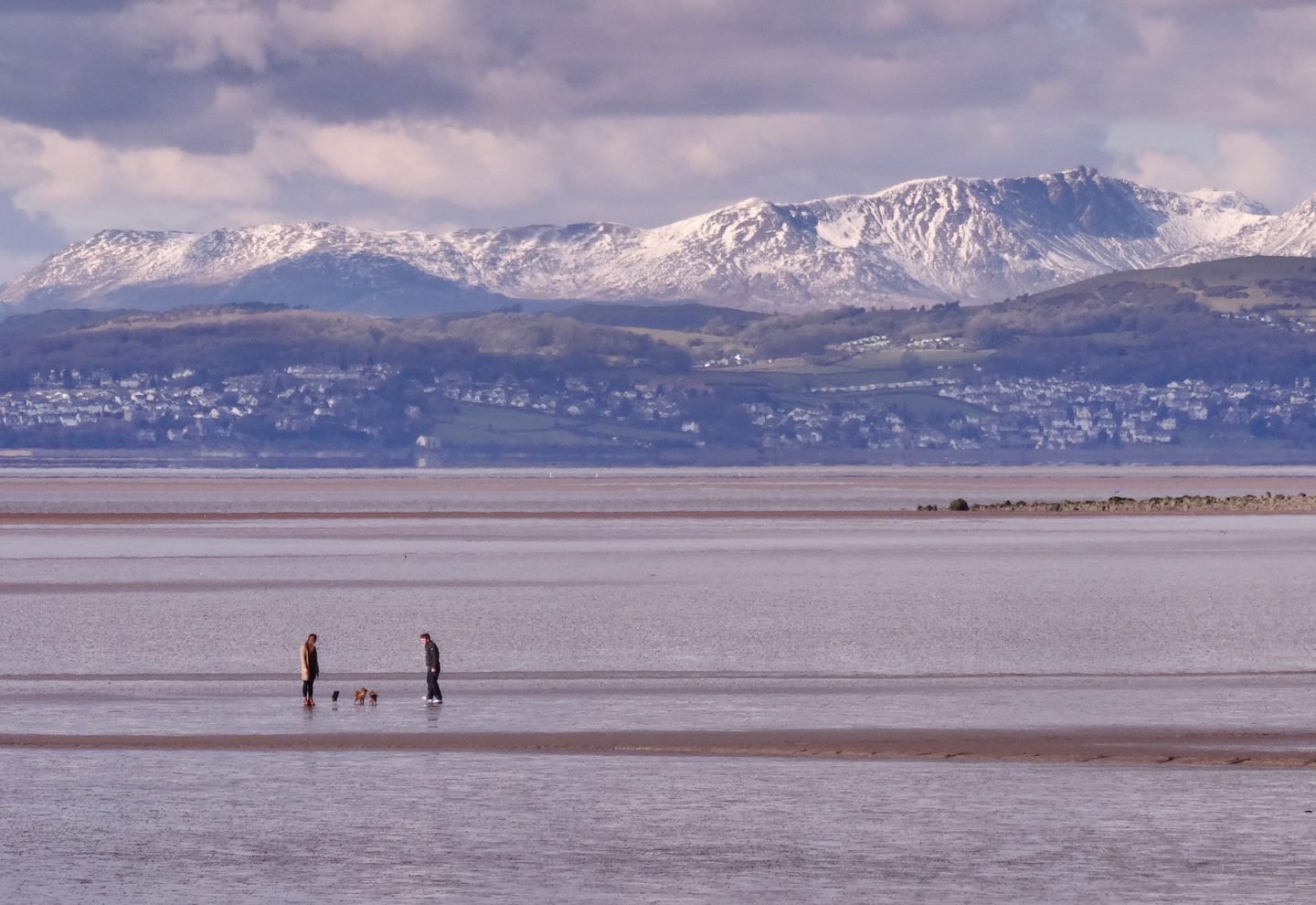
The process I would go through to make sure the experience was exactly right for its visitors.
First. Understand the place.
What is Morecambe?
What is Morecambe known for?
What story does Morecambe Bay tell us?
Landscape, sounds, its rhythm.
Second. Understand the visitors.
Why people choose to go there.
What visitors look for.
What they expect from Morecambe.
What people want to remember.
Third. Due the answers, I define emotional journey.
A quick getaway. Unplugging from the daily routine. No Instagram stories. Rediscovering Mother Nature. Reconnecting with yourself. Moments of reflection.
Fourth. Give a shape.
The path.
Tides measuring the time.
Birdwatching.
Sounds.
Sky. Sunsets.
Sea.
Materials.
Power and Magic of Moon.
Breakpoints.
Fifth. Gathering feedback.
Test it.
Interviews.
Mock-ups
Sixth. Impact.
Do people want to come back?
What emerged.
When I went through Morecambe, one thing kept coming back to me: the tide.
It felt like the real heartbeat of the place. The tide hides things and brings them back.
Few times per day, it completely changes. The way you walk around, what you notice, and how you feel time passing.
Soon, the tide became the main idea connecting everything.
From there, thoughts just started coming to me:
Stepping stones that slowly sink underwater, like walking on wet sand.
The real sounds of the seagulls, wind, waves—instead of music.
Things left behind by the sea, like shells, driftwood, or starfish.
Rough walls that look like cliffs weathered by salt.
Roofs that catch the light like water.
Natural light that changes through the day, from pink and gold mornings to deep blue evenings.
Wooden doors that look like drift timber washed ashore.
Paths that change as the water moves, like those magic tiny islands appearing and disappearing.
It has to be not a static experience.